(AND HOW THEY CAN DO BETTER)
Big companies keep getting it wrong: their brand values MUST translate to real life, or consumers will smell the lies.
First, A Targeted Example:
Early in my career, I worked in the marketing department of a large healthcare corporation. One day, one of the marketing directors of a local hospital came to me with a campaign idea: she wanted to geo-fence digital ads around rescue squad stations to thank first responders for their service.
I suggested something else: use the ad budget to cater lunch for the rescue squads instead. (Even better if it’s a locally owned eatery and not some chain!)
Same dollars. Same message of appreciation. Completely different impact. Albeit maybe not as trackable.
That moment has stayed with me for years because it exposed a quiet but dangerous disconnect—the difference between marketing gestures and meeting actual human needs. I think about it every time a large brand steps in its own mess while insisting its heart is in the right place.
And lately, we’ve had no shortage of examples.
The Trust Gap Between Brands and Communities
“Silence reads as a stance now. Neutrality reads as permission. Carefully worded PR statements read like templates.”
In 2026, it’s clear that brand trust isn’t built through polished campaigns alone. Consumers are more informed, more connected, and more values-driven than ever. They’re watching not just what brands say—but what they fund, permit, protect, and prioritize.
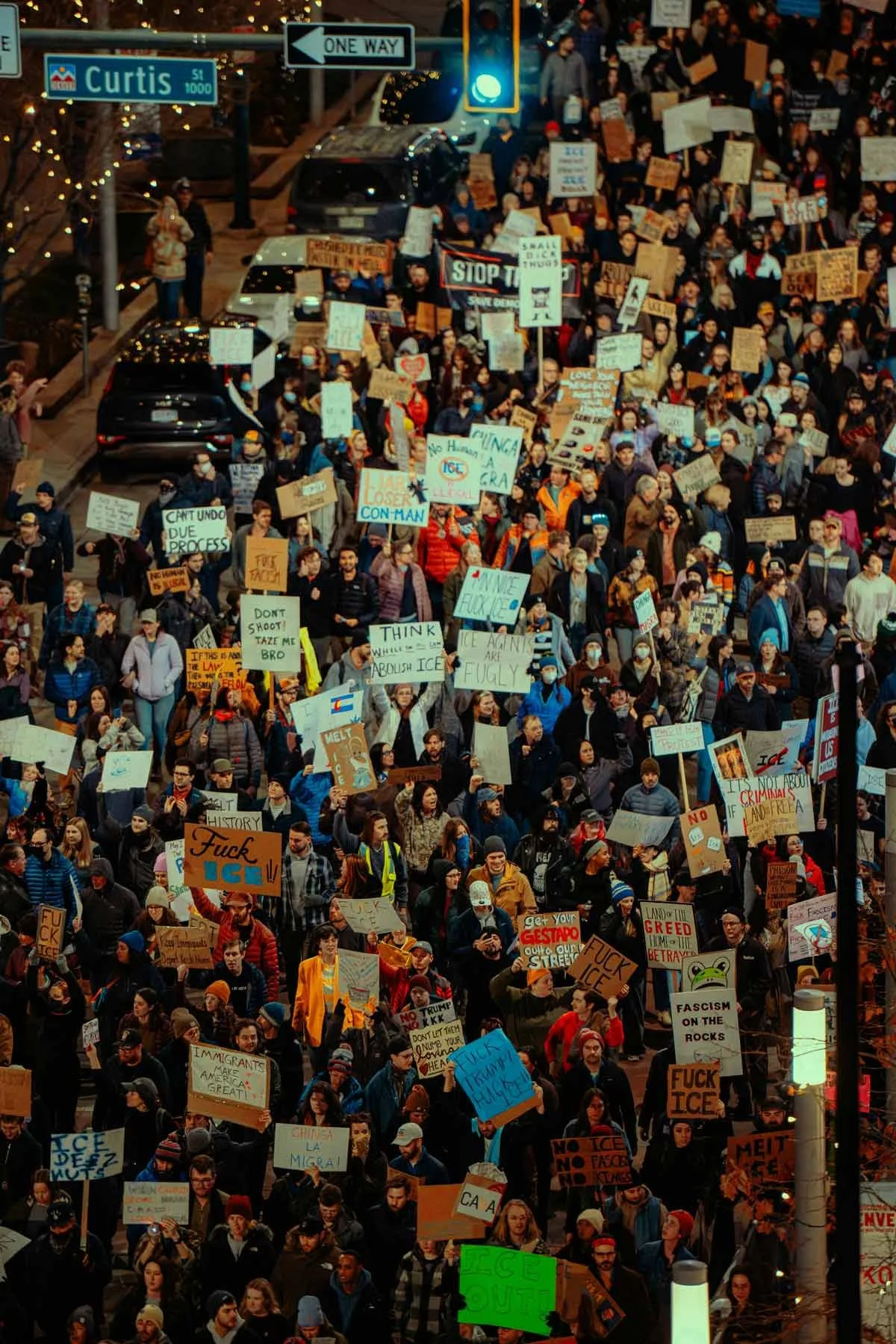
Recent events surrounding immigration enforcement activity and protests in Minneapolis have put corporate responsibility back under a microscope—especially for hometown brands like Target. Regardless of the operational details, the public perception has been clear: communities expect brands to understand the weight of what happens on and around their property—and to respond accordingly.
Silence reads as a stance now. Neutrality reads as permission. Carefully worded PR statements read like templates.
And consumers are adjusting their spending habits to match their values. Or calling for brand boycotts entirely.
I’ll go first for accountability’s sake: I checked my own purchase history. I spent over $2,000 at Target in 2024. In 2025? Less than $8. I was gutted that it wasn’t zero.
Representation in Advertising Is the Floor—Not the Ceiling
For years, brands have treated diversity in advertising as a differentiator. It isn’t anymore. It’s the minimum requirement to be taken seriously.
Featuring diverse families, interracial couples, disabled models, or multicultural friend groups in campaigns is not bold—it’s baseline. It should be standard practice in modern brand strategy and inclusive marketing. You wouldn’t believe the number of times I’ve been told to swap photos by supervisors in past positions—it was sickening.
But here’s the painful truth of 2026 for companies that keep getting it wrong: If representation shows up in your ads but not in your policies, partnerships, protections, or spending—people notice.
Consumers now evaluate brands across multiple layers:
Who appears in your advertising
Who holds leadership roles
Who receives vendor contracts
Which communities receive funding
What happens when those communities are under pressure
Whether your commitments hold when they become politically inconvenient
When diversity, equity, and inclusion efforts are scaled back the moment they become controversial, representation starts to feel less like conviction and more like costume jewelry—shiny, visible, and easily removed.
The Performance Problem in Modern Brand Strategy
Many large brands still default to what feels measurable and marketable:
Awareness campaigns
Sentiment messaging
Themed ad buys
Branded solidarity statements
These tactics are not useless—but they are often misprioritized. Too often, brands spend millions broadcasting support while allocating very little delivering it. It’s the rescue squad ad campaign problem all over again. Digital appreciation is easy. Tangible support requires intention. And communities can tell the difference.
What Doing Better Actually Looks Like for Big Brands
If brands want to stand apart in 2026 and beyond, the path forward isn’t louder messaging—it’s better allocation. Better choices all around.
Here are practical, scalable next steps for brands that want to rebuild trust where it’s been damaged.
Redirect a Portion of Ad Spend to Direct Community Impact
Not as a stunt. Not as a seasonal campaign. As a standing budget line.
Examples:
Provide legal aid grants in regions where enforcement activity is high
Donate to groups that are already doing the work and organizing
Sponsor community infrastructure, not just community events
People remember who showed up with resources—not just who showed up online.
Localize Support, Not Just Messaging
National brands operate locally whether they acknowledge it or not. Store footprints create community footprints.
That means:
Local advisory councils
Store-level community budgets
Regional nonprofit partnerships
Empowered local decision-making
Support should be geographically as specific as your ad targeting.
Put Policy Behind Your Values
If a brand claims to value diversity, safety, and belonging, those values should be reflected in:
Property use policies
Vendor standards
Security protocols
Partnership guidelines
Public accountability reports
Values without policy are just copywriting.
Fund People, Not Just Campaigns
Scholarships. Supplier development. Small business grants. Workforce pipelines. Accessibility upgrades. Legal support networks.
These aren’t just “good deeds.” They are long-term brand equity investments—the kind that survive controversy cycles and help others fight the rise of intolerance.
Back to That Catered Lunch for the Rescue Squad
The healthcare marketing director wasn’t a bad or stupid person! She wasn’t careless or cruel. She was doing what heads of marketing departments are trained to do: think in trackable campaigns that generate ROI for reporting.
But communities and people don’t live in targeted campaigns. They live in our current reality.
Brands that want to repair trust—or build it in the first place—must learn to ask a better question: What do people actually need right now? Are we willing to fund that instead of just talking about it?
When brands keep choosing ads over action, communities will keep choosing disruption over compliance. And honestly? That’s not irrational. That’s responsive. If big brands want loyalty in 2026, they won’t earn it with better messaging. They’ll earn it with better decisions.
Communities and organizers will keep holding their feet to the fire until they do.